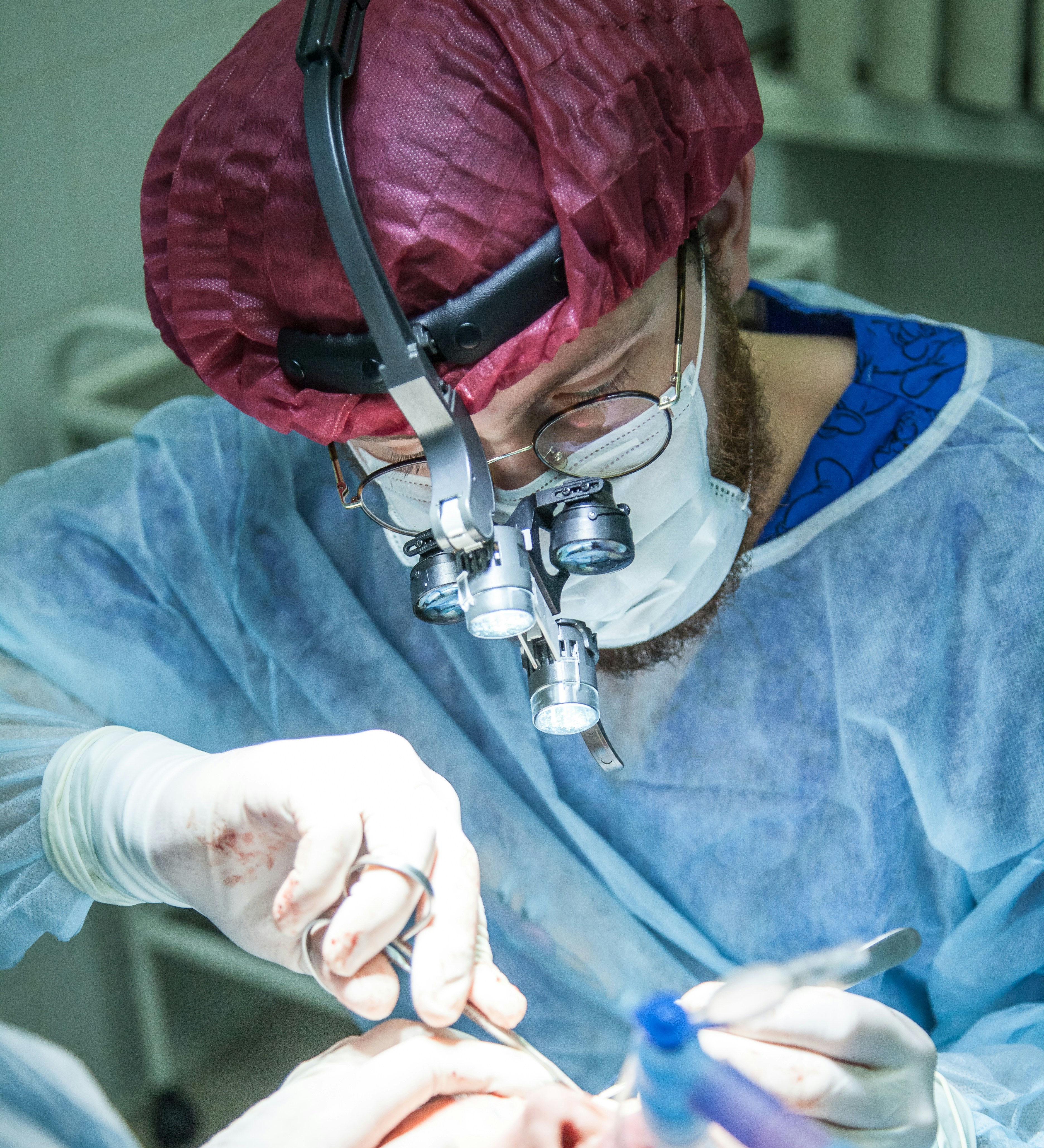
Understanding Anal Cancer and Its Treatment Options
Anal cancer, though relatively rare, poses significant health challenges that necessitate awareness and timely intervention. This malignancy primarily arises in the anal canal, which serves as the terminal portion of the gastrointestinal tract. The primary causes include human papillomavirus (HPV) infection, as well as factors such as smoking and immunosuppression. Notably, early detection is critical in managing anal cancer effectively, as symptoms often resemble those of less severe conditions, including rectal bleeding, pain, and changes in bowel habits. Therefore, an understanding of these symptoms and seeking prompt evaluation is paramount for favorable outcomes.
When diagnosed, patients are presented with several treatment options for anal cancer, which depend on the stage of the disease, overall health, and personal preferences. Conventional treatments typically include surgery, radiation therapy, and chemotherapy. In early stages, localized treatments such as surgery may remove the cancerous tissue. However, in cases of more advanced disease, a combination of radiation and chemotherapy is often employed to enhance effectiveness and targeting of the cancer cells.
Recent advancements in medical technology have also offered promising alternatives to traditional approaches. For instance, targeted therapies and immunotherapy have shown beneficial results in specific patient populations, potentially leading to improved prognosis and reduced recurrence rates. Customization of treatment plans is vital, as each patient’s cancer profile is unique, necessitating a tailored approach that incorporates the latest methodologies available.
The role of specialists cannot be understated in these scenarios. A multidisciplinary team approach, involving oncologists, surgeons, and radiation therapists, ensures that the patient receives comprehensive care aimed at achieving optimal outcomes.
Instituto de Coloproctología: A Premier Destination for Anal Surgery
The Instituto de Coloproctología, located in Medellín, stands out as a premier destination for individuals needing anal surgery, especially those facing the challenges posed by anal cancer. This specialized center has earned a solid reputation due to its focus on coloproctology, offering patients access to advanced medical expertise and cutting-edge surgical techniques. Established with the intent of providing comprehensive care in gastrointestinal health, the institute boasts a team of highly qualified healthcare professionals, including skilled surgeons, oncologists, and dedicated nursing staff who are committed to delivering optimal patient outcomes.
The professionals at the Instituto de Coloproctología possess extensive training and experience in the field of anal surgery. Many members of the healthcare team have received their certification from esteemed organizations and have participated in advanced training programs. This showcases their dedication to not only maintaining excellent standards but also their commitment to utilizing the latest techniques and technologies in the realm of anal cancer treatment. Such credentials enhance the center’s credibility and instill trust in prospective patients seeking surgical solutions.
Patients at the Instituto de Coloproctología benefit from a comprehensive range of services tailored to meet their unique needs. From initial consultations to post-surgical follow-up care, the institution emphasizes a patient-centered approach. Testimonials from previous patients reflect high levels of satisfaction, highlighting the compassionate care provided throughout their treatment journey. Many individuals express gratitude for the way the staff guided them through the complexities of anal cancer surgery, ensuring transparency and understanding every step of the way.
The Instituto de Coloproctología’s commitment to patient care and its expertise in advanced surgical methods underscores why it is considered a leading choice for anal cancer surgery in Medellín. This institution not only prioritizes clinical excellence but also fosters an environment conducive to healing and recovery, making it a trusted location for treatment.
The Surgical Process: What to Expect Before, During, and After Surgery
When faced with a diagnosis of anal cancer, understanding the surgical process is crucial for patients and their families. The journey typically commences with an initial consultation. During this session, the physician will conduct a thorough evaluation, which includes discussing the patient’s medical history and performing necessary examinations. Based on this assessment, treatment options will be outlined. It is essential for patients to engage openly with their healthcare provider to clarify any doubts prior to proceeding.
Once a surgical approach is determined, pre-surgical preparations become vital. This phase may involve additional diagnostic tests such as imaging or biopsies to evaluate the extent of cancer. Patients may also need to undergo preoperative instructions, which can include dietary modifications or bowel preparation. These steps aim to optimize the patient’s condition and mitigate potential complications.
On the day of the procedure, patients will be admitted to a surgical facility. The type of surgery performed depends on the cancer’s progression and may include local excision, abdominoperineal resection, or a more extensive procedure like a pelvic exenteration. Anesthesia is administered to ensure comfort throughout the operation, and the duration of the surgery varies based on its complexity. The surgical team will provide a detailed explanation of the procedure beforehand to prepare the patient adequately.
Post-operative care is critical for recovery. Patients can expect to spend time in a recovery area where healthcare professionals monitor vital signs and pain levels. It is common to experience discomfort, which will be managed with prescribed medications. Rehabilitation may involve gradual reintroduction of activities, underlining the importance of following the surgeon’s guidance. Regular follow-up appointments will also be scheduled to assess healing progress and ensure early detection of any potential recurrence. This systematic approach is designed to help patients navigate through the surgical journey with confidence and clarity.
Navigating Your Journey: Support Resources and Aftercare
Undergoing anal cancer surgery is a significant milestone in a patient’s health journey. It is critical to recognize that the path to recovery is not solely physical; emotional and psychological support plays a vital role in the healing process. Support systems provide comfort and reassurance, ensuring patients feel understood and less isolated in their experiences. Various resources, such as counseling services, can assist patients in processing their feelings before and after surgery. A therapist specializing in cancer care can help individuals navigate the emotional complexities that arise during this challenging time.
Support groups also offer patients the opportunity to connect with others who face similar challenges. These groups can be found in hospitals, community centers, or through online platforms. By exchanging experiences, members can derive strength from one another and share coping strategies that have worked for them. Furthermore, nutritional guidance is crucial during recovery; many cancer patients benefit from consulting with a registered dietitian who can help develop a dietary plan that supports healing and addresses specific side effects like nausea or changes in appetite.
Managing side effects post-surgery is another pivotal aspect of the recovery process. Patients are encouraged to have open communication with their healthcare providers about any discomfort or new symptoms they may encounter. These side effects can often be managed effectively through medications or lifestyle adjustments. Establishing a routine that incorporates gentle physical activity, adequate rest, and a well-balanced diet can foster a smoother transition back to daily life.
Ultimately, prioritizing mental, emotional, and physical well-being through support resources and dedicated aftercare can significantly enhance a patient’s recovery experience. By nurturing both body and mind, individuals can better equip themselves to face the challenges that lie ahead.